Well Water vs. City Water in Grants Pass: What It Means for Your Plumbing
Depending on where you are in the Grants Pass area, your home is either on city water or a private well, and that distinction affects more of your plumbing than most homeowners realize.
City Water in Grants Pass
Homes within city limits are typically served by the municipal system, which is treated and regularly tested. Plumbing concerns here tend to center on the home’s own pipes and fixtures rather than the water source itself, since the city handles treatment.
Well Water in the Surrounding Area
Many properties outside the city core, and in areas like Merlin and Murphy, rely on private wells. That shifts responsibility for water quality, pressure, and equipment maintenance entirely onto the homeowner.
What’s Different About Plumbing on a Well
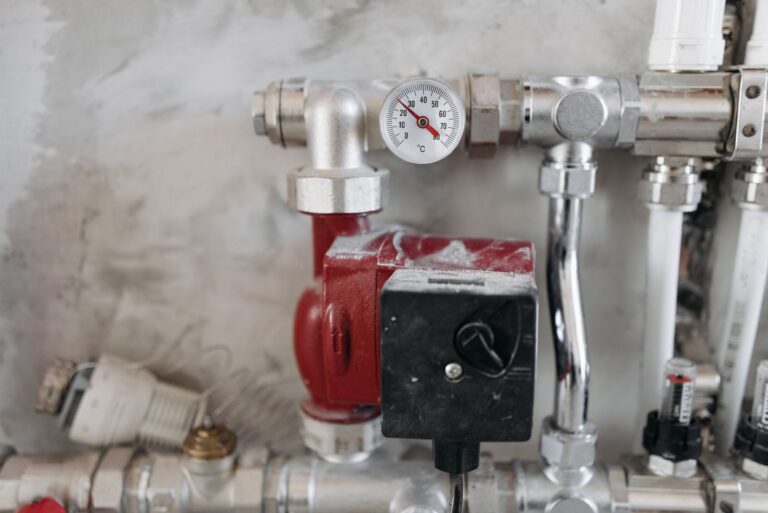
- Pressure tank and pump. Well systems rely on a pressure tank and pump to deliver consistent water pressure. These are mechanical components that need occasional service and eventually replacement, unlike a city connection.
- Water quality varies by property. Even neighboring wells can differ. Hardness, sediment, iron, or odor issues are common and usually call for a water test rather than guessing at a fix.
- Fixture wear. Hard or mineral-heavy well water can shorten the life of water heaters and fixtures faster than treated city water, through scale buildup.
- No backup if the pump fails. A city water outage is rare and usually temporary. A failed well pump means no water at all until it’s fixed, which changes how urgently a pump issue should be treated.
What This Means Day to Day
If you’re on well water and notice a drop in pressure, cloudy water, or a metallic taste, it’s worth having the pump, pressure tank, and water quality checked rather than assuming it’s a citywide issue, because there isn’t a city system to blame.
Frequently Asked Question
Should I test my well water even if nothing seems wrong? Yes, periodically. Well water quality can change gradually due to seasonal shifts or upstream activity, and problems like bacteria or elevated minerals aren’t always obvious from taste or appearance alone.
Related Services
Is well-water plumbing different from city-water plumbing?
Yes. The pipes and fixtures inside the building may look similar, but a well-supplied property can add a pump, pressure tank, controls, treatment equipment, sediment, and source-water variation. Municipal-water properties typically use a utility service and meter, which changes how pressure loss and hidden use are tested.
This distinction matters around Grants Pass because in-town and rural Josephine County properties can sit close together while using very different water systems.
Quick Decision Guide
Pressure Problem
City-water diagnosis often starts with the meter and regulator; well systems also involve the pump, tank, switch, and source.
Water Quality
Test results and the treatment goal should guide filtration—not a neighbor’s equipment.
Leak Testing
Automatic well or treatment cycles must be considered when watching for unexplained use.
Questions Grants Pass Property Owners Ask
Does low pressure always mean the well pump is failing?
No. Filters, valves, fixtures, leaks, pressure-tank settings, and interior restrictions can create similar symptoms.
Can city water still need filtration?
Yes, depending on the household’s defined taste, sediment, or treatment goal. The solution differs from treating a private well.
What should I tell the plumber?
State whether the property uses city water or a well and identify any pump, pressure tank, softener, or filters.
Need Help with Pressure or Water Quality?
Identify the water source first, then inspect the plumbing and treatment system in the right order.